
There is something about the night sky that has always drawn me in. The stars. The darkness. The vastness of it all.
And, perhaps strangely, the night is also something that fills me with extreme anxiety.
Sometimes my nighttime anxiety is so intense that simply being outside after dark can feel overwhelming. It’s paralyzing. Other times, the anxiety is there in the background high enough to make everything feel a little harder. The night can be both beautiful and frightening for me.
And yet, I keep looking up.
I’m no professional astrophotographer. Not even close. But I absolutely love photographing the stars above me. There is something magical about pointing a camera toward a seemingly ordinary patch of sky and discovering that it isn’t ordinary at all.
Deep-sky objects especially fascinate me. Nebulas. Galaxies. Distant clouds of gas and dust. Objects so incredibly far away that the light reaching my camera may have been travelling for thousands, millions, or even billions of years.
For a long time, though, I assumed that truly exploring and photographing those objects was simply something I wasn’t going to be able to do.
Astrophotography can become an incredibly expensive hobby. Telescopes, cameras, mounts, guiding equipment, computers, cables, adapters. the list can seem endless. Building a serious astrophotography setup can cost far more than I could realistically justify.
But money wasn’t the only obstacle.
I also live with concentration and memory difficulties. Elaborate setups involving numerous pieces of equipment, complicated procedures, and a maze of wires aren’t particularly accessible to me. Even if I somehow managed to afford the equipment, I knew that trying to remember all the steps and keep everything working together could turn something I love into something incredibly frustrating.
Eventually, I reached what felt like a rather painful conclusion: As much as I wanted to spend my nights photographing the universe, perhaps it just wasn’t in the cards for me.
And then a friend changed my mind. He introduced me to Dwarf Labs and showed me his Dwarf 3.
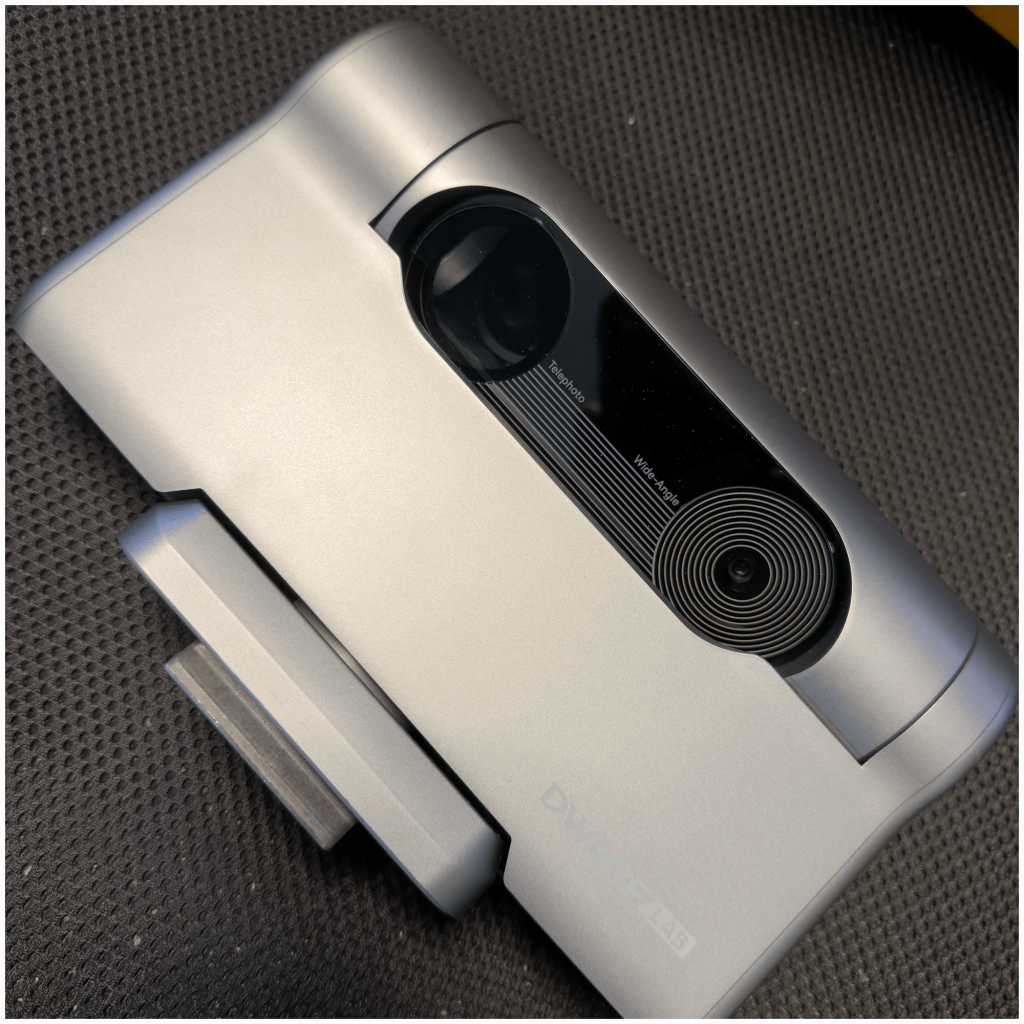
A tiny telescope that doesn’t even look like a traditional scope.
I watched him use it. He explained how it worked and, more importantly, showed me what this little telescope was actually capable of.
I was intrigued. Here was something that didn’t require the enormous collection of equipment I had always associated with astrophotography. No confusing mass of wires. No giant collection of hardware that I would have to learn how to assemble and operate and the price point was actually within the realm of possibility for me.
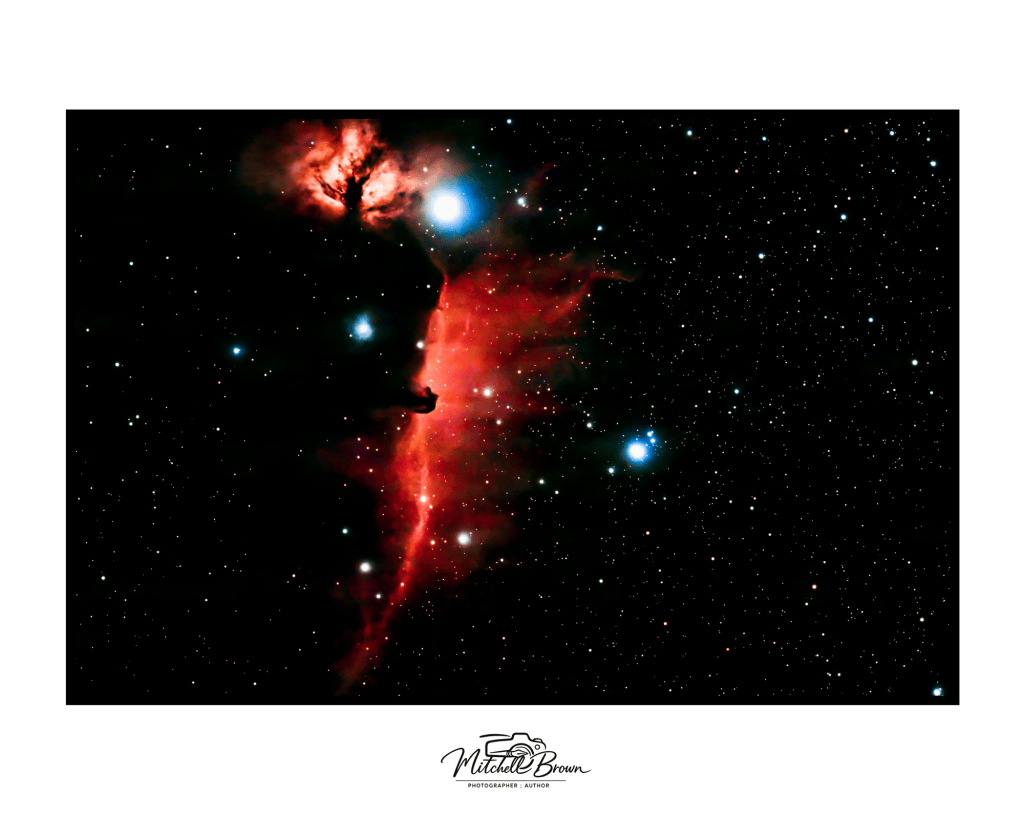
For the first time in a long time, astrophotography didn’t feel completely out of reach. So I started saving my pennies.
Eventually, I bought a Dwarf 3 and I couldn’t be happier that I did. It hasn’t magically made my anxiety disappear. The night can still be difficult for me. There are still evenings when anxiety wins and I stay inside.
But now, when I can get outside, I have a way to explore the sky that works for me. That’s something I don’t take for granted.
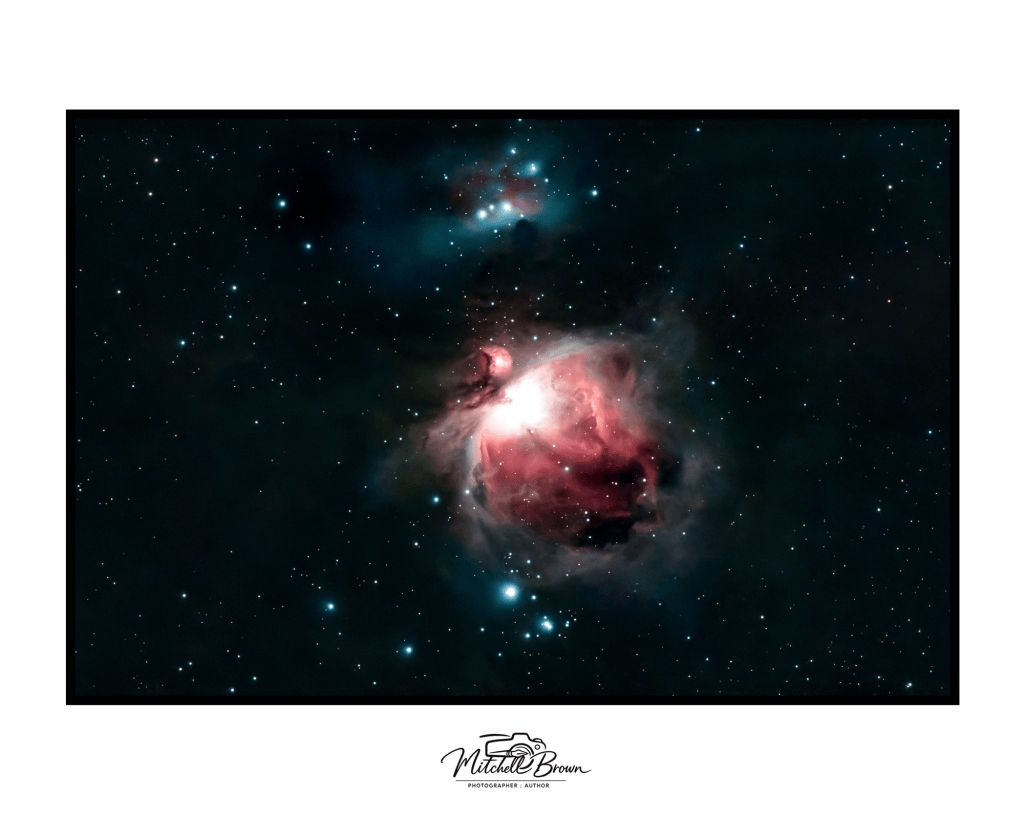
I can look up at the stars and know that I don’t need a professional observatory, thousands of dollars of equipment, or an encyclopedic memory of astrophotography procedures to experience a little bit of that wonder.
I can simply set up my little telescope, point it toward the sky, and see what I can find and sometimes, that means discovering a nebula. Sometimes it’s a galaxy. Sometimes it’s simply a beautiful field of stars.
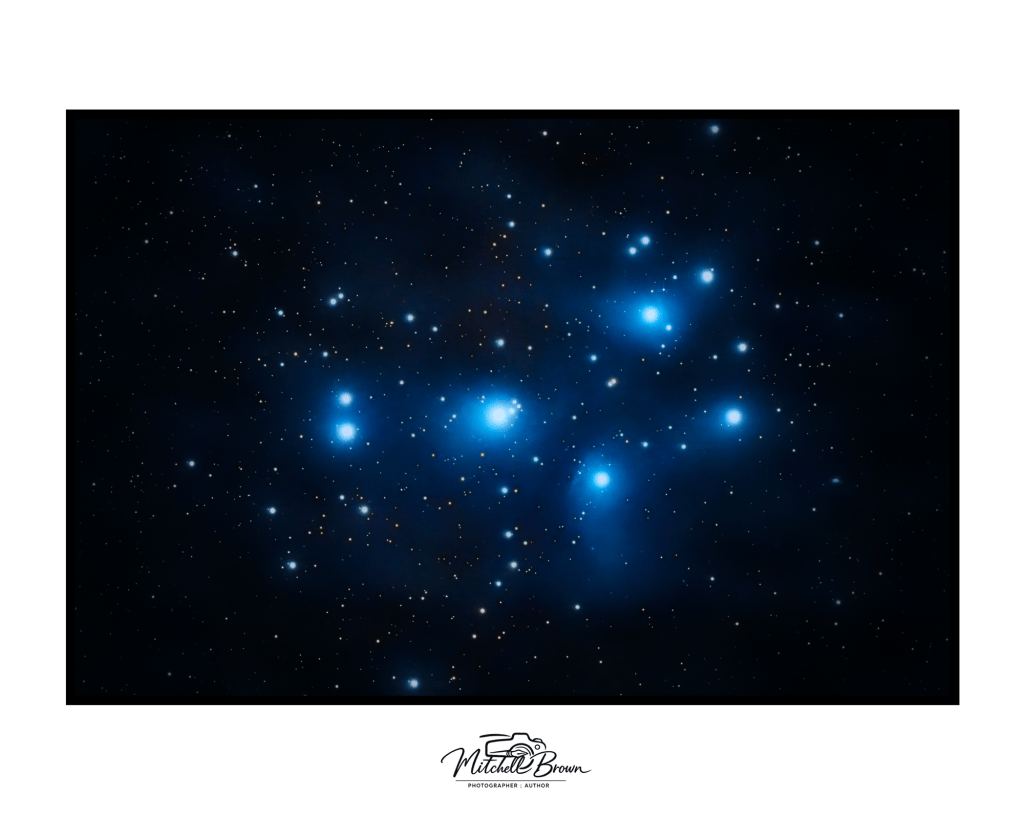
But every once in a while, it’s something more important. It’s a reminder that something I had convinced myself was no longer possible is possible just perhaps in a different way than I originally imagined and I have Dwarf Labs to thank for that.
The universe hasn’t changed. My limitations haven’t magically disappeared, but the way I reach for the stars has changed and for me, that’s pretty incredible. Maybe that’s one of the things I love most about astrophotography.
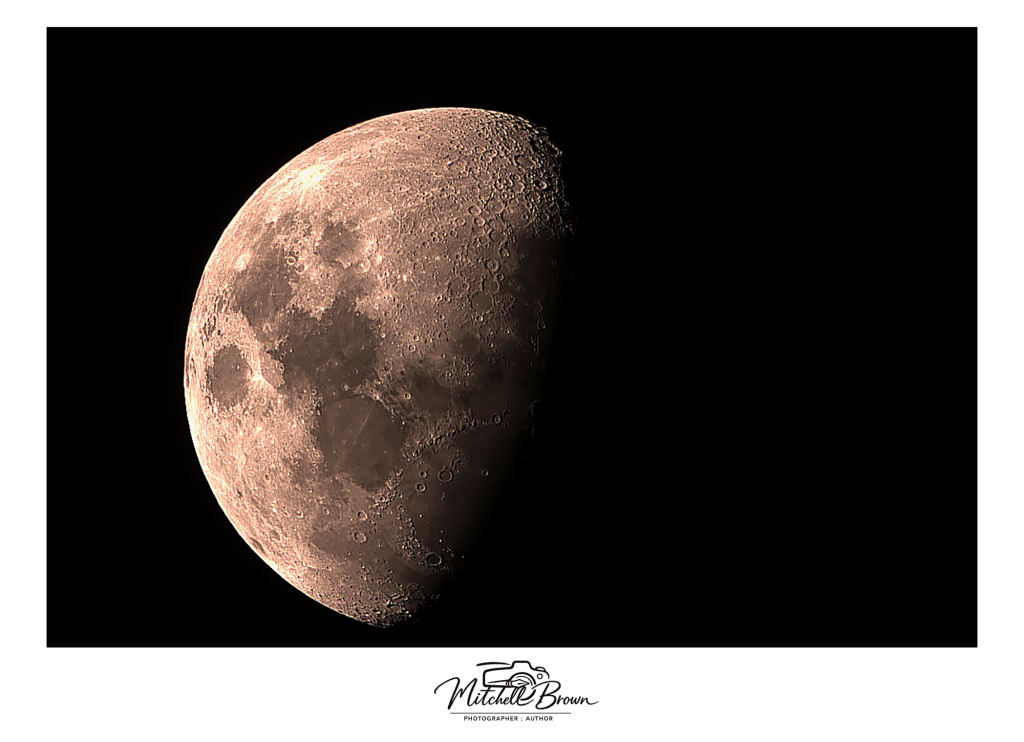
It’s not just about capturing distant galaxies or beautiful nebulae. It’s about finding a way to experience something that makes me feel small in the best possible way.
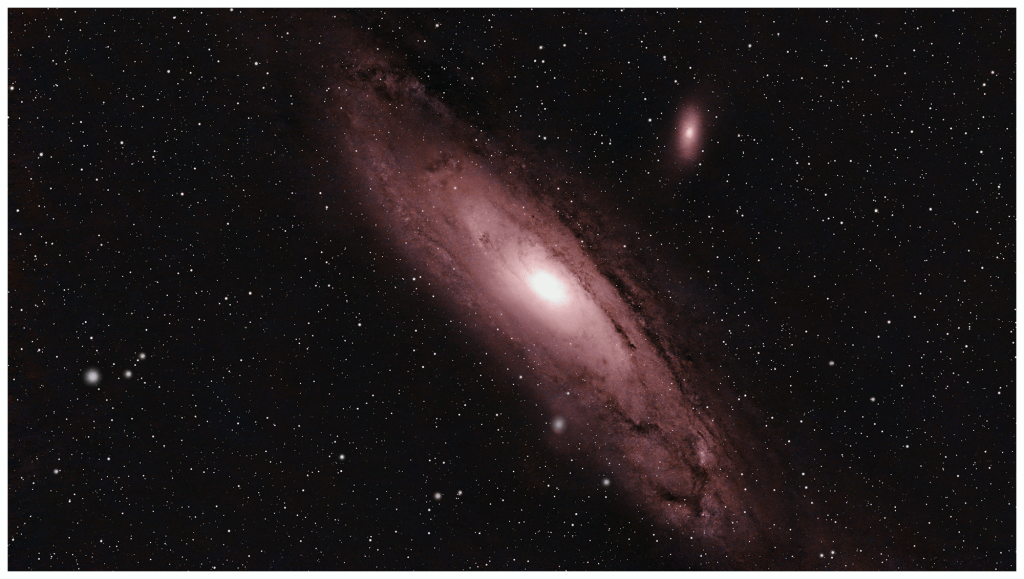
To look into that enormous darkness and discover that it’s actually filled with light and on the nights when anxiety is particularly loud, sometimes I need that reminder more than anything.
Thank you Saeed and thank you Dwarf Labs for giving me a tool that enables me to discover the absolute awe of the night sky.
Check out all of Dwarf Labs Smart Telescopes out on their website
 The Theragraphic Project